
In this letter, we revisit the core thesis behind Redwood Grove’s strategy, sharing our research process of aligning fundamental and climate analyses to identify companies that can perform well in up and down cycles. We share why we joined investors managing close to a $1 trillion of assets to sign the Ceres letter, calling on the Federal Reserve to more actively incorporate climate change into its mandate of maintaining US market stability.
Related posts

2026 Climate Impact Report
Builds on last year’s finding of a market-wide retreat from Net Zero commitments, showing RGC’s portfolio held its ground even as voluntary reporting slipped. Only 3% of the portfolio is Not Aligned with net zero goals — the lowest of any benchmark tracked — while 48% is Aligned or Aligning (62% once non-reporting clean tech holdings are included), and the portfolio remains the most carbon-efficient among its peers at 65 tons of CO₂ per $1 million of sales versus 105 for the Russell 1000 Value. Also asks whether AI is becoming the next high-emissions sector, as data center growth is now outpacing Big Tech’s own decarbonization targets.

Fires, Air Quality and Climate
Redwood Grove Capital’s Q2 letter examines how a warming climate is lengthening wildfire seasons and worsening air quality from the American West to New York and Europe. These disruptions illustrate a broader theme: climate adaptation—not just mitigation—is becoming a durable, multi-year investment opportunity.
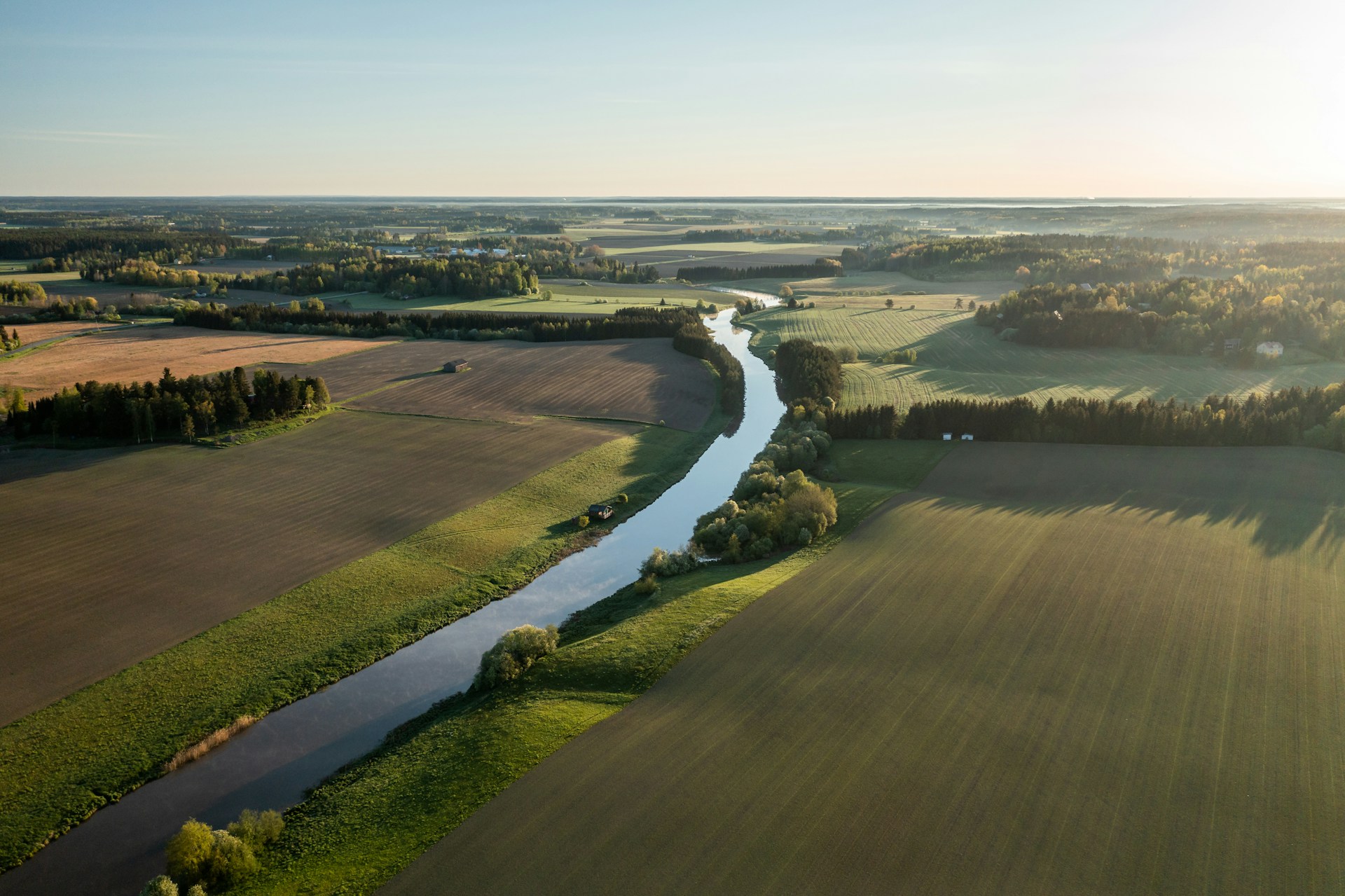
Water Under Pressure: Climate Risk and the Economics of Scarcity
Climate-driven disruptions to the water cycle are creating mounting economic pressures—from municipal credit risk to infrastructure demand—highlighting a critical and often overlooked investment theme.

